
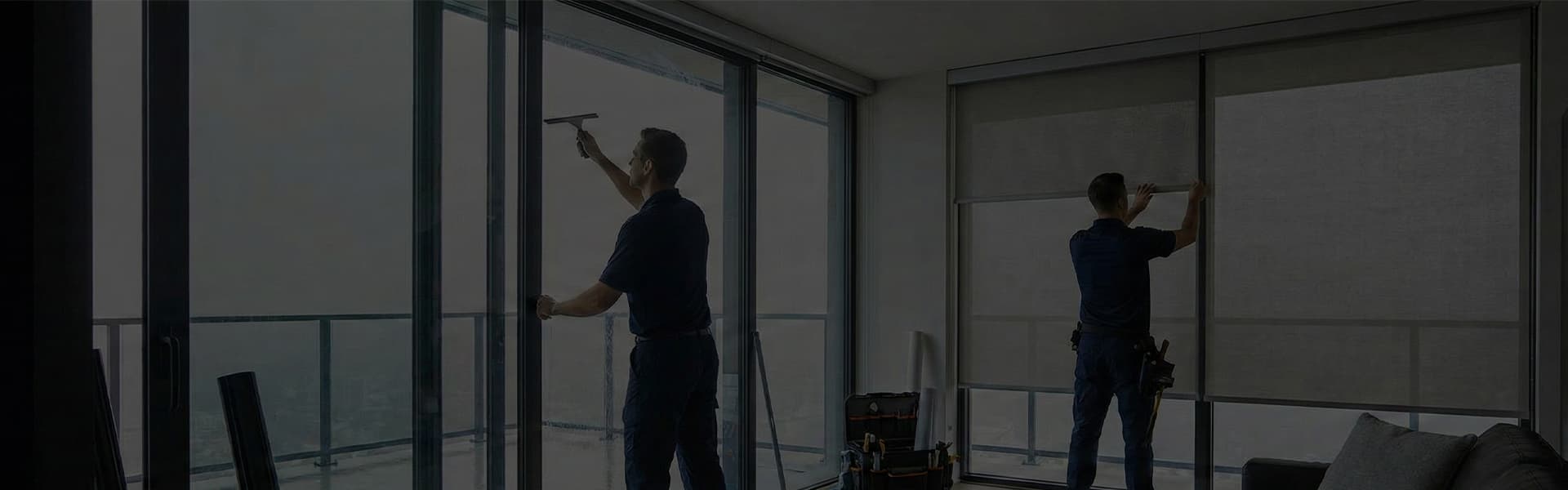

The Day You Realize Your Windows Were the Problem All Along
Nothing looks wrong. The room is set up the way you like it. Furniture is in place. Light comes in. Everything should work. But it doesn't feel right.
You sit down and shift after a few minutes. You move your screen, then move it back. You open the blinds, then close them halfway again. You don't think about the window. You think the room just isn't cooperating.
You Keep Fixing the Same Things
You try small changes. Turn slightly. Lower the brightness on your screen. Move a table a little to the left. It works for a bit. Then the same feeling comes back. So you repeat it. Not because you want to. Because something keeps pushing you to.
The Pattern Shows Up Without Asking
After a few days, you notice it's not random. It happens at certain times. Late morning, maybe. Or mid-afternoon. The light hits differently, the room feels heavier on one side, and you start adjusting again. Same time. Same reaction. Now it's harder to ignore.
You Finally Look at the Window, Not Past It
That's when it shifts. Instead of looking outside, you look at how the light is coming in. How sharp it feels on one side of the room. How it reflects back at you when you're trying to look at a screen. How one area heats up faster than the rest. It's not subtle anymore. It's just something you didn't focus on before.
You Realize You've Been Working Around It
All those small habits start lining up. Why you don't sit in one spot for long. Why the blinds are never fully open or fully closed. Why you keep turning your body slightly when you're near that window. None of that was random. You were adjusting to the window.
The Problem Was Never Visible
That's why it took time. The glass looks fine. It's clear. It lets light in. Nothing about it signals a problem the way something broken would. But the way it behaves inside the room is off. Too much glare at certain angles. Too much heat in one spot. Too much brightness that doesn't spread evenly. It's not about what you see. It's about what you feel over time.
Once You Notice It, You Can't Ignore It
Now it stands out every day. You know exactly when the light becomes uncomfortable. You know which part of the room you'll avoid at a certain hour. You notice how often you're still adjusting things to make it usable. It's clear now.
Fixing It Doesn't Mean Changing Everything
You don't need to redesign the room. You don't need new furniture or a new layout. The structure is fine. What needs to change is how the window handles what comes through it. When light, heat, and glare are controlled instead of left alone, everything else settles.
The Space Starts Feeling Even
You sit where you want. You don't shift every few minutes. The brightness stays comfortable. The temperature doesn't spike in one corner. You're not fighting reflections on your screen. Nothing looks dramatically different. But it feels easier to be in the room.