
Why Two Windows in the Same Room Can Feel Completely Different
Sit by one window for ten minutes. Then move. Nothing about the room changed. Same chair, same light outside, same time of day. But the second spot doesn't feel the same. You shift your position a little. Maybe turn your shoulders. Maybe you don't stay there as long. You won't say, "this window is worse." You just won't stay.
It Shows Up in Small, Annoying Ways
One side lets you look up easily. The other makes you narrow your eyes without realizing it. You're not squinting hard, just enough that your face tightens a bit. After a while, you move your head, then your chair. It's subtle, but it keeps repeating.
Screens Give It Away Fast
Open your laptop. On one side, you sit normally. On the other, you tilt the screen, then tilt it again. You angle yourself, then adjust the blinds, then give up and move. Nothing is "wrong." It's just not comfortable to stay.
The Warm Spot Builds Without Asking
You don't notice it immediately. But after a few minutes, one area holds heat more than the other. Not the whole room, just a pocket near that window where it feels slightly heavier. You lean back, or you drift to the cooler side without thinking about why. Later, if someone asks, you can't explain it. You just know where you prefer to sit.
Looking Outside Feels Different Too
Stand at one window and the view is clean. Stand at the other and you start seeing yourself more than what's outside. Reflections creep in, especially when the light hits at a certain angle. You get both layers at once and it feels cluttered. Same glass. Different result.
It's Not Random, It's How the Light Hits
Light doesn't enter a room evenly. It comes in at angles, changes through the day, bounces off surfaces, and lands differently depending on direction. One window might catch the sun directly for an hour. Another might get it at a slant that creates more glare. Glass doesn't correct any of that. It just lets it in.
You Start Designing Around It Without Realizing
Furniture shifts over time. You place the chair where it feels better. You keep certain blinds half-closed on one side. You avoid using a spot that technically should be fine. You adapt to the window instead of the other way around.
The Room Ends Up Split in Two
Not visually. Functionally. One side is where you actually sit, work, relax. The other becomes a place you pass through or adjust around. It's the same space. But it doesn't behave like one.
What Changes When the Windows Are Treated
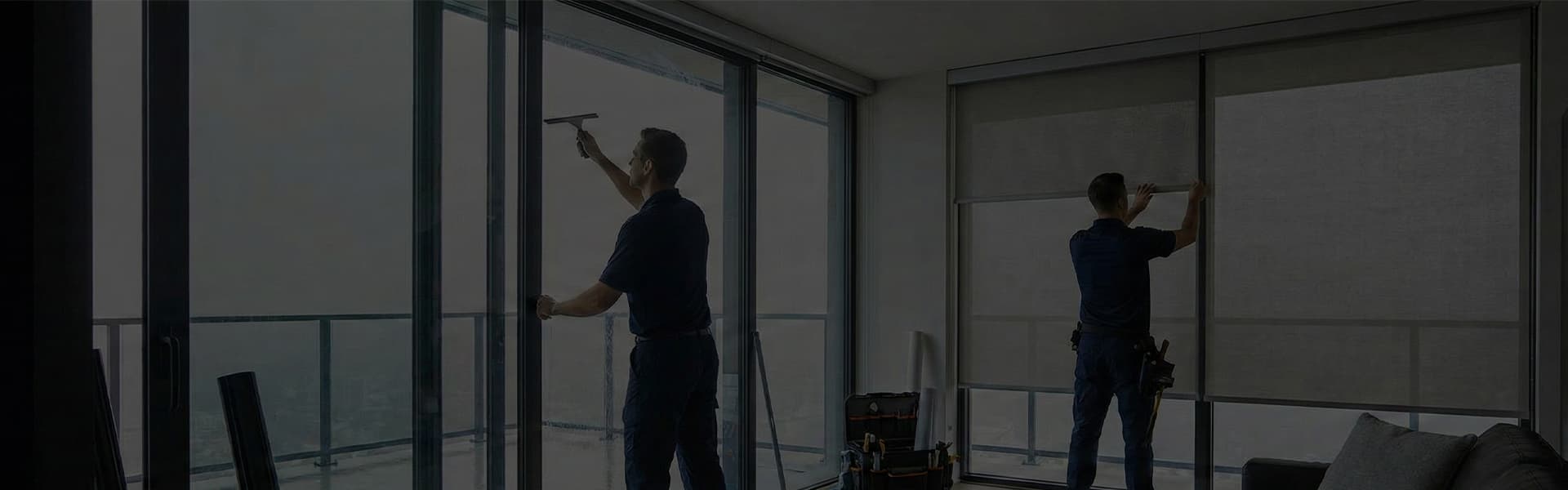
When the glass starts filtering what comes through, the difference settles down. The bright side stops feeling sharp. The warm spot doesn't build the same way. The reflections don't take over your view. You can sit in either place without adjusting yourself every few minutes. Nothing looks dramatically altered. But the room starts acting like one space again.
It's Not About Darkening the Room
That's the assumption. But the point isn't to block light. It's to control how it enters. Keep the brightness, drop the glare. Let the view stay, reduce the reflection. Bring in daylight without carrying all the heat with it. You're not removing anything important. You're taking out what makes it uncomfortable. Contact Us.